

Beyond the Hype: Why Real Glass Skin Requires More Than Just Skincare
The problem? Most patients try to achieve this through topical application. While high-quality skincare maintains the barrier, it rarely possesses the molecular weight or biological signaling capability to fundamentally alter the skin's architecture. You can layer all the hyaluronic acid in the world, but if the underlying dermal cells are senescent (aging) or dormant, the "glow" will remain superficial.
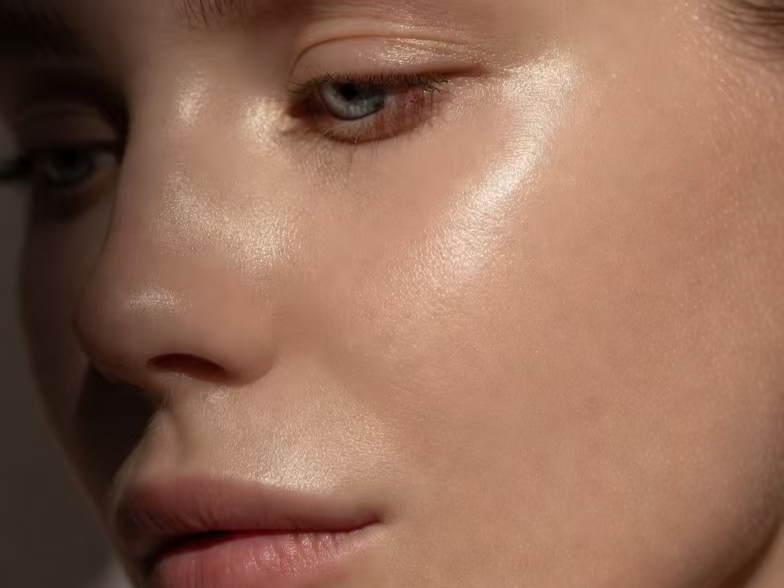
Dermal Density: Thickening the dermis to reduce transparency of blood vessels (redness).
Sebum Regulation: Shrinking pore size through elasticity.
Barrier Repair: Fixing the root cause of inflammation.
🚀 Exosomes: The Biological Messengers
Growth Factors: Signaling proteins that stimulate collagen and elastin.
mRNA & miRNA: Genetic material that regulates gene expression.
Lipids & Proteins: Building blocks for cell repair.
✨ The Synergy: How Exosomes Create the "Glass" Effect
Glass skin requires a flawless surface. Exosomes accelerate wound healing and barrier repair significantly faster than traditional serums. By calming inflammation and repairing the lipid barrier, the skin surface becomes smoother, allowing light to reflect evenly rather than scattering off rough, dry patches.
The "translucent" look of glass skin comes from a healthy, thick dermis. Exosomes stimulate fibroblasts (the cells that make collagen) to produce Type I and Type III collagen. This increases skin density, effectively "filling" the skin from within, reducing fine lines, and tightening pores.
Uneven pigmentation breaks the illusion of glass skin. Research suggests that exosomes can modulate melanin production, helping to fade hyperpigmentation and even out skin tone, resulting in that coveted uniform canvas.
🩺 The Clinical Takeaway
The verdict? Stop trying to paint a glass house. Build it from the foundation up.
Ready to Glow?
📅 Book Your Private Consultation Today
Available in English & Chinese | Strictly Confidential
👉 WeChat: 64482369 (Fastest Way)
📞 +86 138 1124 8726
✉️ beijingpaskincareexpert@gmail.com
// Popular Feeds
-

Pre-Party Glow Up: Get Ready for Beijing Nights
Jul 11,2026 -

-

Why Anne Hathaway Looks So Young
Mar 18,2026 -

-

6 Reasons You Keep Getting Acne
Mar 18,2026 -

Medical Aesthetics in the West vs. East
Mar 18,2026
 WhatsApp
 Email
Email
 +86 13811248726